A decrease in fibroblast activity is one of the key mechanisms of age-related aging. After 30–35 years, the synthesis of collagen types I and III gradually decreases, which leads to a loss of dermis density, the formation of wrinkles and a violation of the clarity of facial contours.
In such cases, it is important for a cosmetologist to work not only with volume, but also with the quality of tissues. This is precisely the task solved by collagen stimulators - injectable drugs aimed at activating neocollagenesis and remodeling the dermal matrix.
Collagen stimulators do not simply fill the volume deficit, but also launch natural tissue regeneration processes. The result is:
For a cosmetologist, this means the ability to work with patients 35+ at a deeper pathogenetic level.
✔ Long-lasting effect - up to 12-24 months depending on the drug and the individual characteristics of the patient.
✔ Gradual, natural result without sudden changes in volume.
✔ Universality of use - face, neck, décolleté, hands.
✔ Possibility of combination with fillers, biorevitalization and hardware techniques.
✔ Controlled level of stimulation with correct protocol selection.
Subject to compliance with the injection technique and correct patient selection, the safety profile is predictable.
In modern injection cosmetology, various groups of collagen-stimulating drugs are used, which differ in their mechanism of action and clinical tasks.
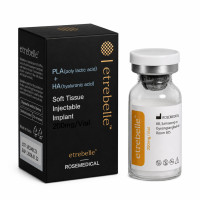
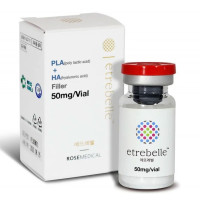
Polylactic acid (PLLA)
A powerful biostimulant that activates fibroblasts and triggers the gradual synthesis of new collagen. Suitable for the correction of age-related lipoatrophy, loss of tissue density and pronounced age-related changes. Provides a prolonged effect of dermis remodeling.
Calcium hydroxyapatite (CaHA)
A drug with a dual mechanism of action: primary volumetric effect and subsequent stimulation of neocollagenesis. Forms a supporting dermal framework, improves tissue density and promotes a lifting effect.
Drugs based on recombinant Rh-collagen
A modern biotechnological component obtained by recombinant DNA without the use of animal raw materials. Has high biocompatibility and a predictable safety profile.
The mechanism of action is aimed at:
Rh-collagen is especially relevant for patients with sensitive skin and in delicate biostimulation protocols.
Hydrolyzed marine collagen-based preparations
In injectable cosmetology, it is considered an elite component for several reasons:
High biocompatibility: its molecular structure is as similar as possible to human type I collagen (which is most abundant in our skin).
Low molecular weight: due to hydrolysis (cleavage), it breaks down into small peptides that the skin easily “recognizes” and absorbs.
Hypoallergenicity: unlike bovine collagen, marine collagen is less likely to cause immune reactions (although an allergy to seafood is a direct contraindication).
Expected effect:
Used in protocols of soft biostimulation, prevention of age-related changes and in combined anti-age programs.
The choice of the type of collagen stimulator depends on:
The protocol includes:
The first clinical results are assessed 30–45 days after the start of neocollagenesis. To maintain the effect, it is recommended to repeat the procedure according to the manufacturer's instructions.
Want to achieve the maximum rejuvenation effect? Choose proven solutions! Our range includes only top collagen stimulators that have gained the trust of aesthetic medicine specialists around the world.
Quality guarantee: only original products of well-known brands.
Informativeness: detailed specifications and features of use for each drug.
Favourable conditions: transparent pricing and customer support at every stage.
Delivery and payment: we deliver orders quickly and reliably: by courier in Kyiv or by postal services to any corner of Ukraine. We work on the condition of 100% prepayment, which guarantees the safety and speed of processing your order.

-200x200.png)
-200x200.png)
-200x200.png)
-200x200.png)
-200x200.png)




-200x200.png)